"The Hole" Still Open: Allegations That Godka Jilacow Prison Remains Operational Despite Official Closure
 By Ismail Abukar
Organization Organization for Prisoners' Rights (OPR)
Date July 2025
Location Mogadishu, Somalia
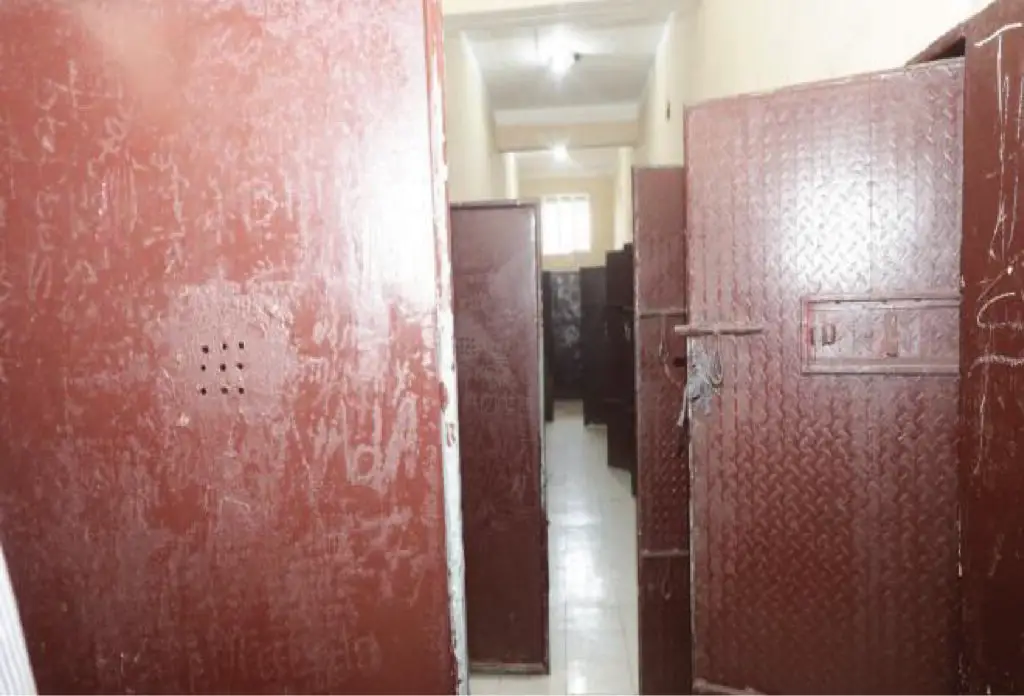
Nearly seven years after Somali authorities publicly declared the closure of Godka Jilacow Prison, commonly known as "The Hole," evidence gathered by the Organization for Prisoners' Rights (OPR) indicates that the facility may still be operational.
The prison, long associated with secrecy, fear, and allegations of abuse, was officially closed on December 16, 2018, following sustained pressure from Somali civil society groups, former detainees, journalists, and international human rights advocates. During a public ceremony attended by senior government officials, authorities announced that the site would no longer function as a detention centre and would instead be transformed into the "Jilacow Academy," a training facility for the National Intelligence and Security Agency (NISA).
At the time, the announcement was welcomed as a significant step toward reforming Somalia's detention system and addressing longstanding allegations of unlawful detention and abuse linked to the prison. However, recent findings by OPR cast serious doubt on whether the closure was ever fully implemented.
According to information obtained by OPR from multiple senior officials and security insiders who requested anonymity for security reasons, the facility continues to be used for detention and interrogation purposes. Sources familiar with Somalia's security institutions alleged that individuals are still transferred to Jilacow during criminal and intelligence-related investigations.
OPR also interviewed several individuals who stated that they had personally been detained or taken to the facility in recent months. Their testimonies described ongoing operational activities inside the compound, including searches, interrogations, restricted movement, and the presence of armed security personnel. Some former detainees reported being denied access to lawyers or communication with family members during their confinement, raising serious concerns about incommunicado detention and the absence of judicial oversight.
Further findings suggest that the prison is allegedly being operated or utilized by the National Intelligence and Security Agency. Efforts by OPR to obtain clarification from relevant authorities have produced little transparency. Senior officials within the Somali Police Force reportedly indicated they were either unaware of the facility's current operational status or unwilling to comment. Inquiries directed to Banadir regional intelligence authorities and the Somali Custodial Corps received no official response.
The alleged continued operation of Jilacow Prison raises serious human rights concerns under both Somali and international law. International legal standards, including the International Covenant on Civil and Political Rights (ICCPR) and the Convention Against Torture (CAT), prohibit arbitrary detention, torture, and secret detention practices. Human rights experts have repeatedly warned that unofficial or undisclosed detention facilities create environments where abuse flourishes beyond public scrutiny and judicial accountability.
The lack of transparency surrounding Jilacow Prison also raises troubling questions. If the prison was officially closed, under what authority is it still functioning? Which institution currently oversees the facility? Are detainees formally registered and brought before courts? What mechanisms exist to investigate allegations of abuse?
Its reported continued operation risks undermining public confidence in Somalia's justice institutions and reform efforts.
OPR calls for the Federal Government of Somalia to immediately clarify the legal and operational status of the facility; independent human rights monitoring of the site; due process protections for all detainees held there; and an investigation into allegations of unlawful detention and abuse linked to the prison.
A detention facility publicly declared closed should not continue operating behind silence and secrecy. Genuine reform cannot exist where accountability remains locked behind iron gates.
How to cite this piece
Abukar, Ismail, for the Organization for Prisoners' Rights. (2025). "The Hole" Still Open: Allegations That Godka Jilacow Prison Remains Operational Despite Official Closure. Mogadishu: OPR. https://opr.org.so/news/the-hole-still-open-godka-jilacow-special-assessment/